Where to stay at Lake Naivasha: Ajabu House, more than just a place to stay

A private family home, a peaceful lake retreat, and a place to gather properly

Lake Naivasha has lodges, hotels, campsites and private houses, but Ajabu House is something rather more personal. It is not simply accommodation on the lake. It is a much-loved family home, set among giant fig trees on Loldia Farm, with space, privacy and a sense of calm that is increasingly hard to find.

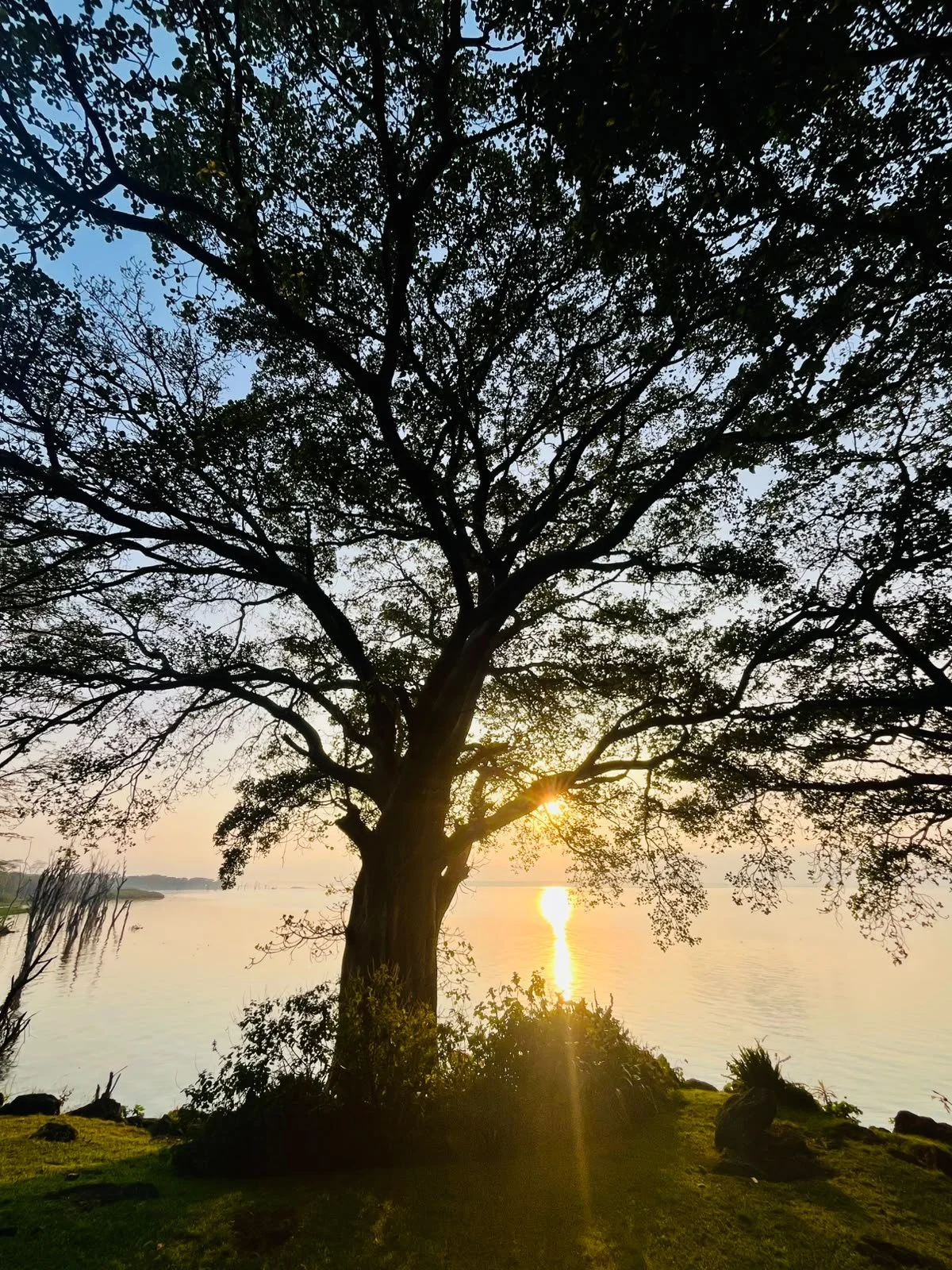
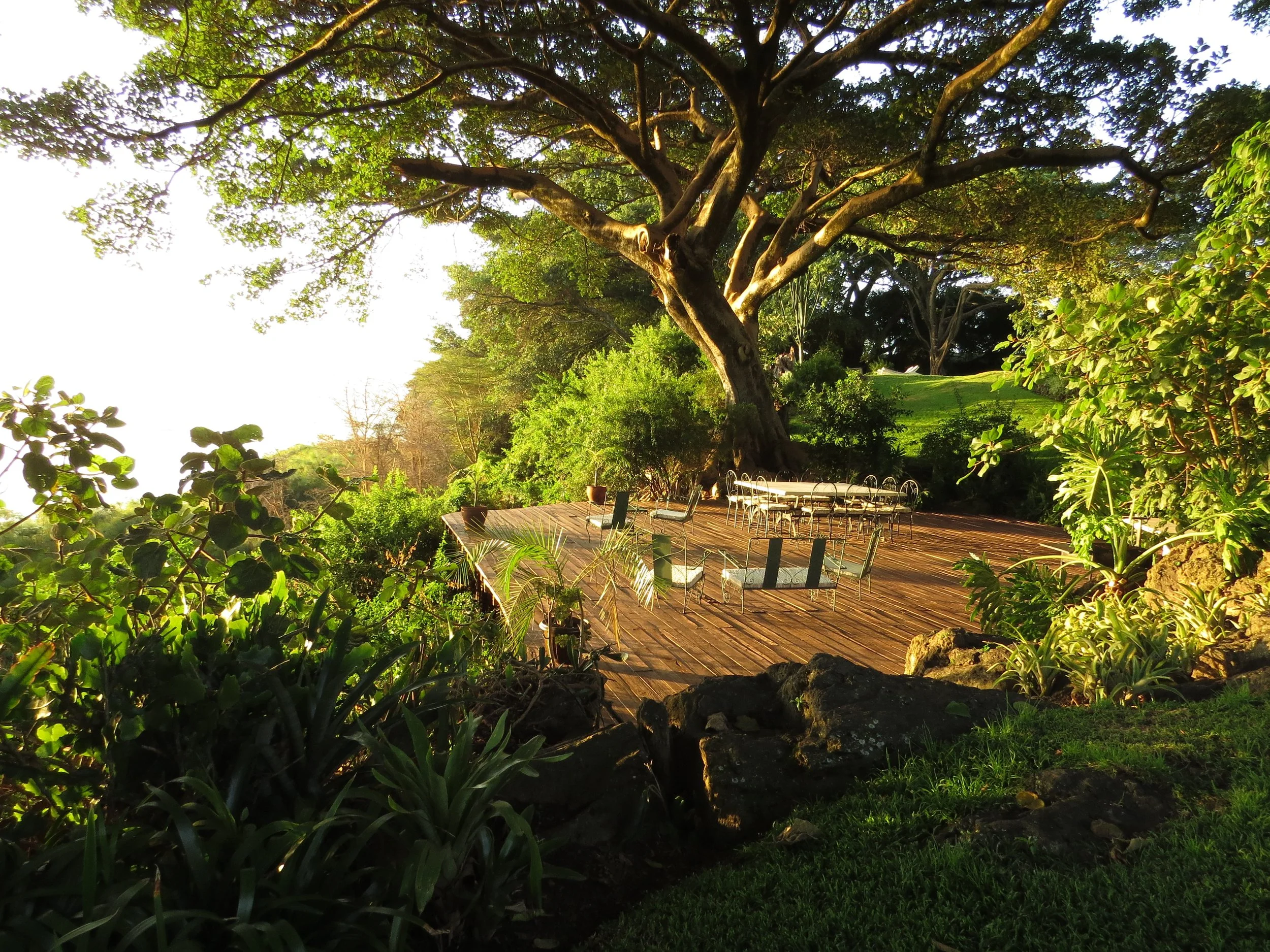
“Ajabu” means “a miracle” in Kiswahili, and the name feels fitting from the moment you arrive. The house sits on the quiet northern side of Lake Naivasha, looking out across the water towards Mount Longonot and the Aberdare ranges. It has the atmosphere of a home that has been lived in, loved and shared over generations: comfortable, characterful, informal and deeply peaceful.
So, what is Ajabu House?

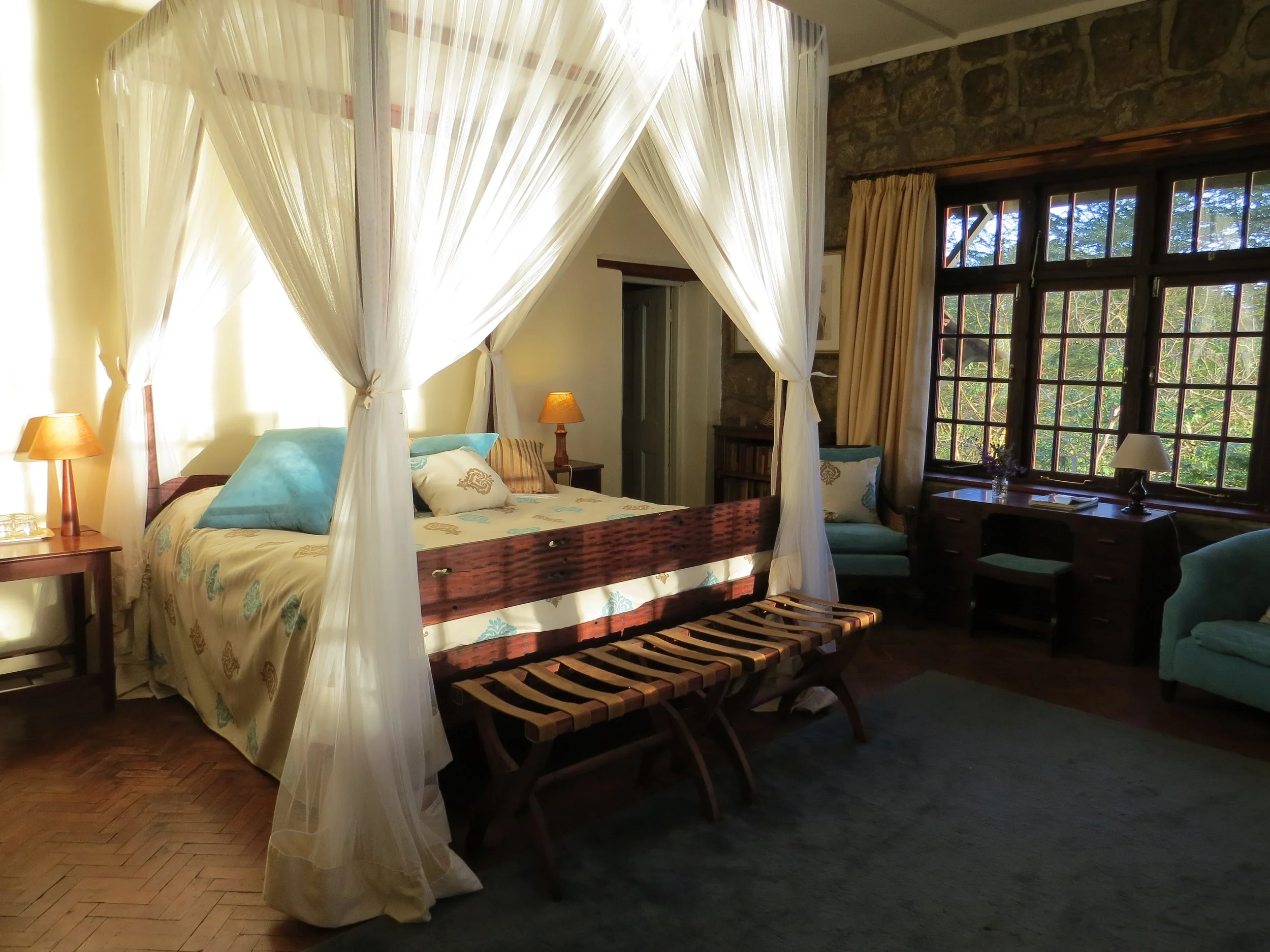
Ajabu is a private house rental rather than a hotel or a conventional lodge. That distinction matters. When you stay here, you are not sharing a dining room with strangers or fitting your holiday around someone else’s timetable. You have the property to yourselves, with seven bedrooms across three buildings, making it well suited to families, groups of friends, multi-generational holidays, small celebrations and work groups looking for somewhere private and inspiring.

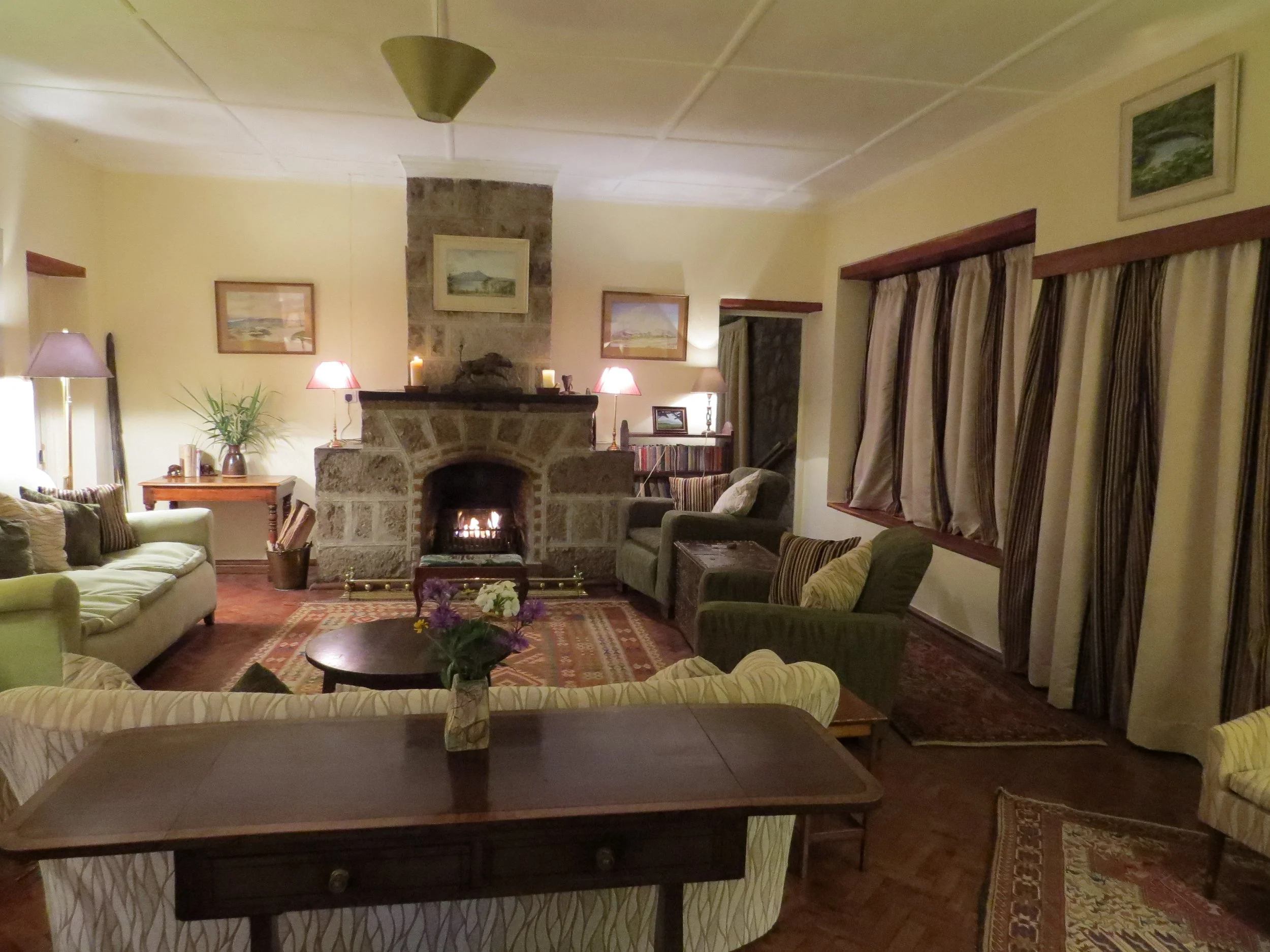
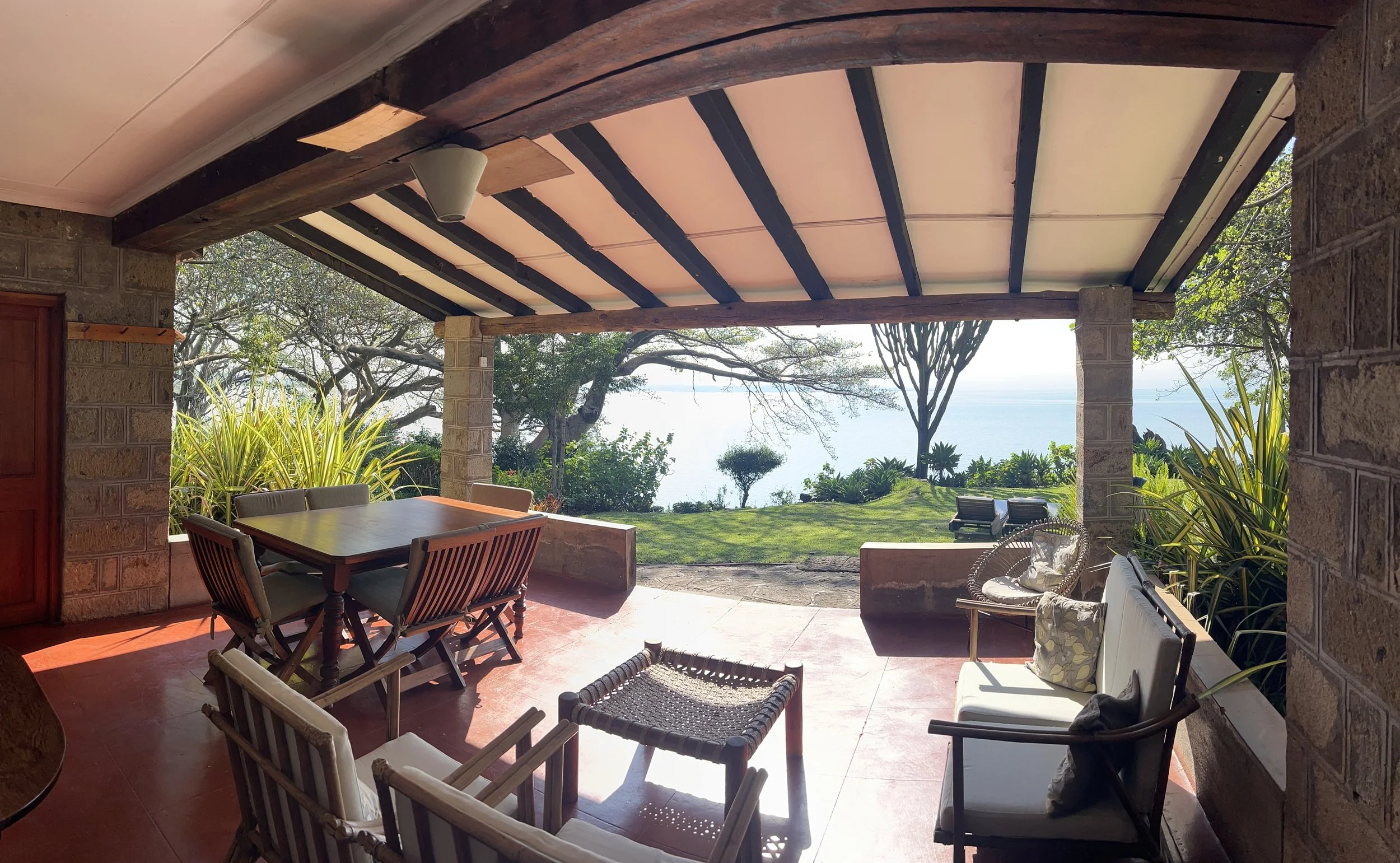
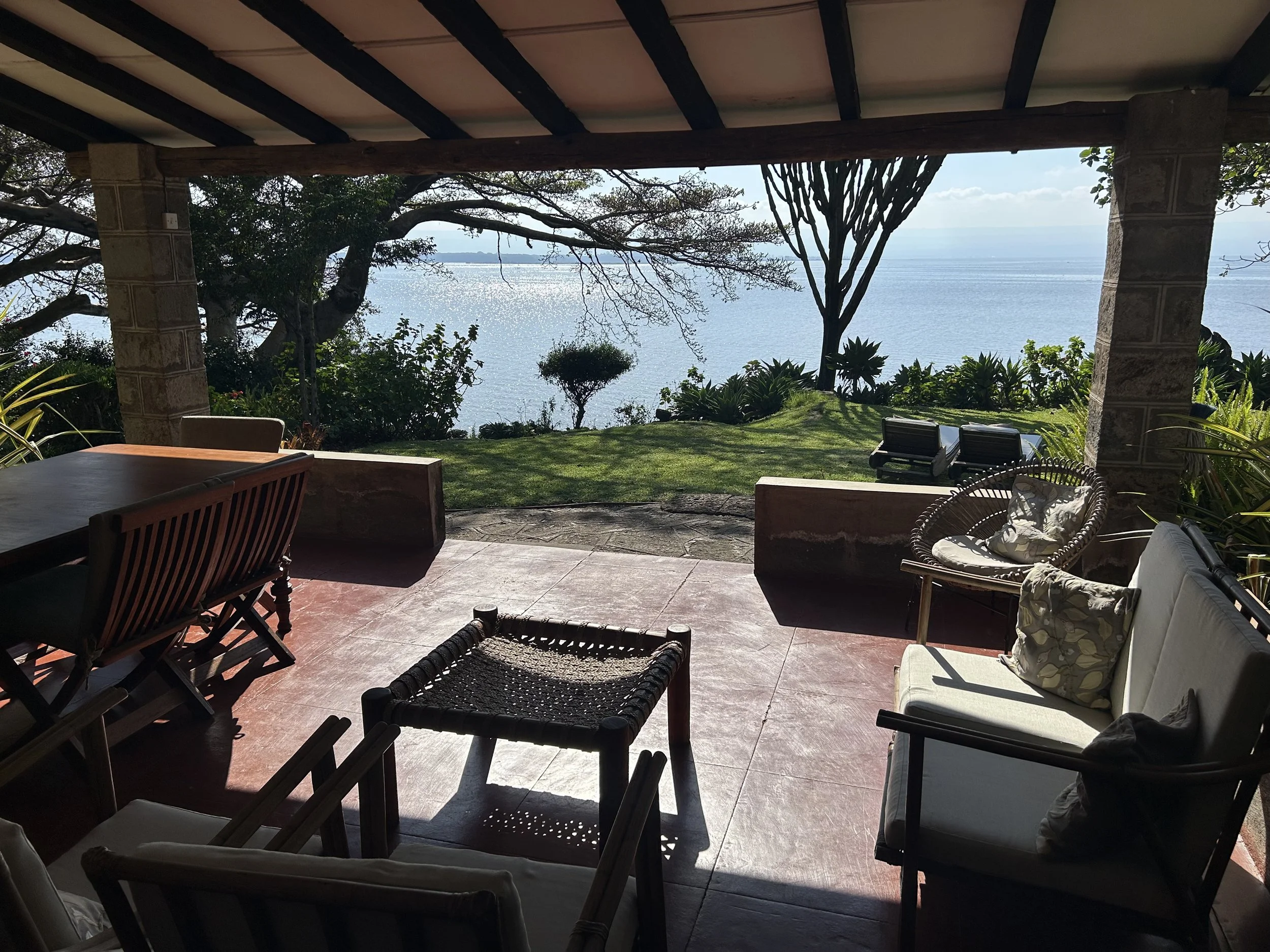
The main house has the feel of an old family home, with a cosy sitting room, an open fireplace, a deep veranda and wonderful lake views. The cottages provide additional space and privacy, so larger groups can stay together without feeling crowded. It is generous, relaxed and unpretentious  the sort of place where children can run outside, adults can linger over lunch, and everyone can find a quiet corner when they need one.
Why choose Ajabu House?

The greatest luxury at Ajabu is privacy. For families and groups, that means the freedom to properly reconnect. Meals can be long and easy. Days can unfold slowly. You can spend time together without the formality of a hotel setting, and without the pressure of doing very much at all.

It is also a wonderful choice for a private retreat. Whether you are planning a small team strategy session, a creative work escape, a writing week or a yoga retreat, Ajabu offers the rare combination of space, stillness and practicality. There is Wi‑Fi access, so guests can remain connected when they need to, while the setting encourages exactly the opposite when they do not: switching off, thinking clearly and settling into the rhythm of the lake.

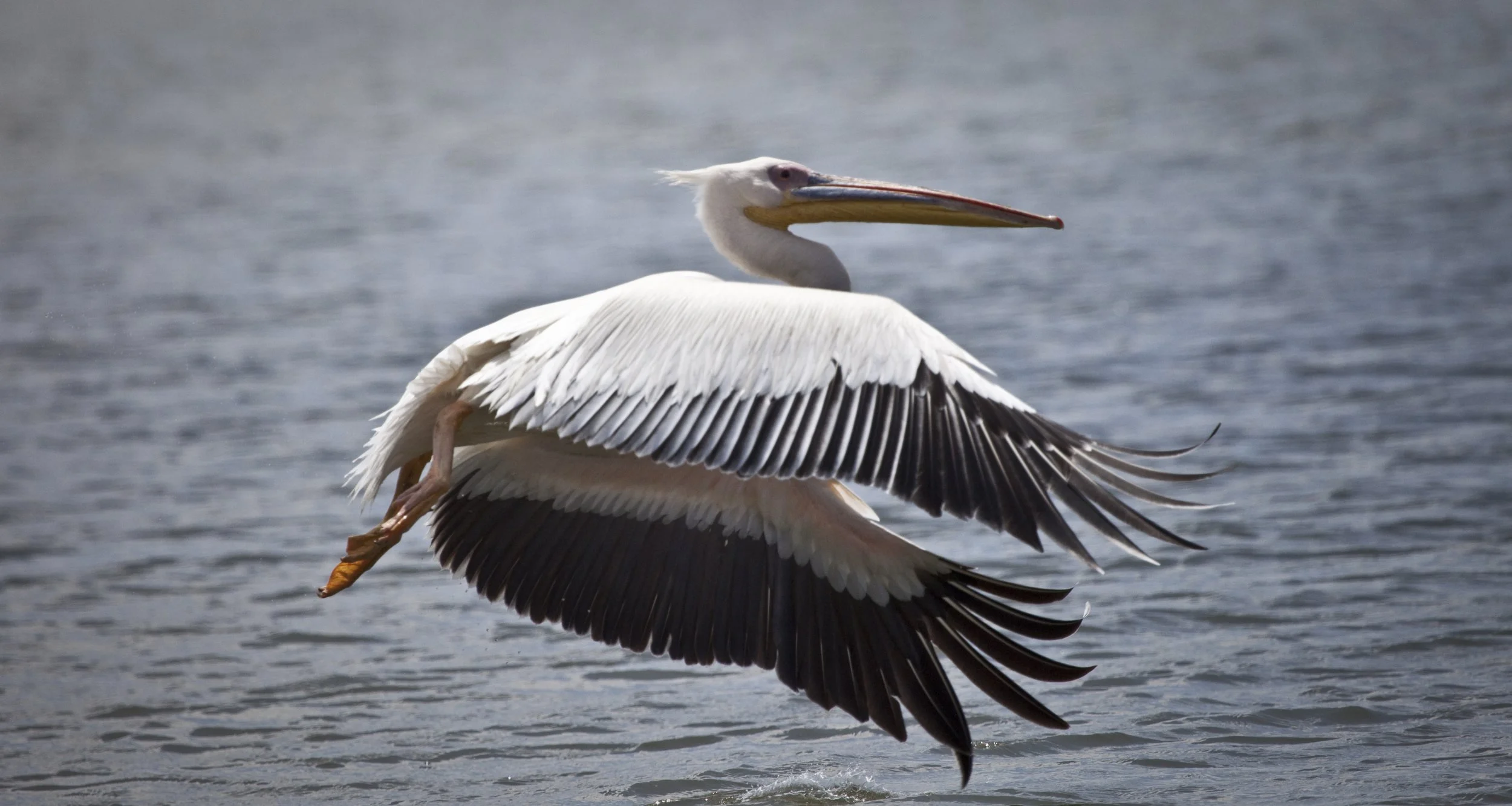
The lake itself is part of the experience. It is tranquil, constantly changing and quietly absorbing. Mornings often begin with birdsong and soft light over the water. During the day, there is the pleasure of watching fishermen at work, hippos in the distance, and the extraordinary birdlife that makes Naivasha so rewarding. Fish eagles, kingfishers, pelicans and countless other species bring the shoreline to life, and simply sitting still becomes one of the best activities of all.
Who is Ajabu best suited to?

Ajabu is for people who want a home, not a hotel. It suits guests who value privacy, atmosphere, nature and a slower pace. It is ideal for families, groups of friends, small corporate gatherings, yoga groups and anyone looking for a peaceful base within easy reach of Nairobi.

It is also worth being honest about what Ajabu is not. It is not a large lodge with anonymous service or midnight room service on demand. It is a family home run with warmth and care, and that is precisely its charm. The beauty of staying here is that you feel you have been welcomed into somewhere real.
A place to breathe

In a busy world, Ajabu House offers something quietly rare: space to gather, space to think and space to rest. You can work if you need to, practise yoga on the lawn, read under the fig trees, take in the birdlife, watch the fishermen on the lake or simply enjoy the stillness.

If a private Kenyan family home on Lake Naivasha sounds like what you have been looking for, Ajabu House may be your miracle too.
Things to do at Lake Naivasha: a complete guide

Lake Naivasha surprises people. They arrive expecting a stopover on the way somewhere else and leave wishing they had booked three more nights.

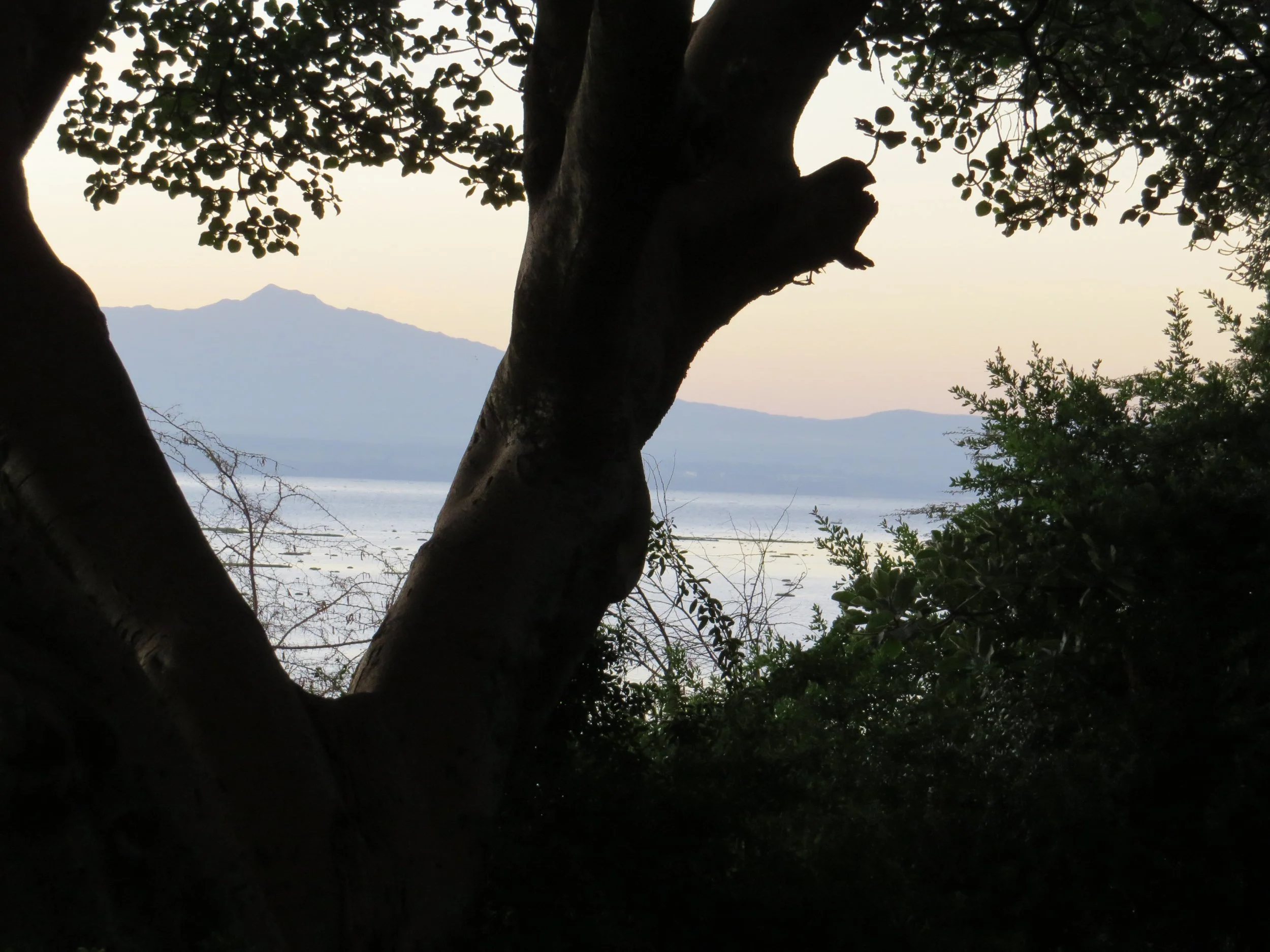
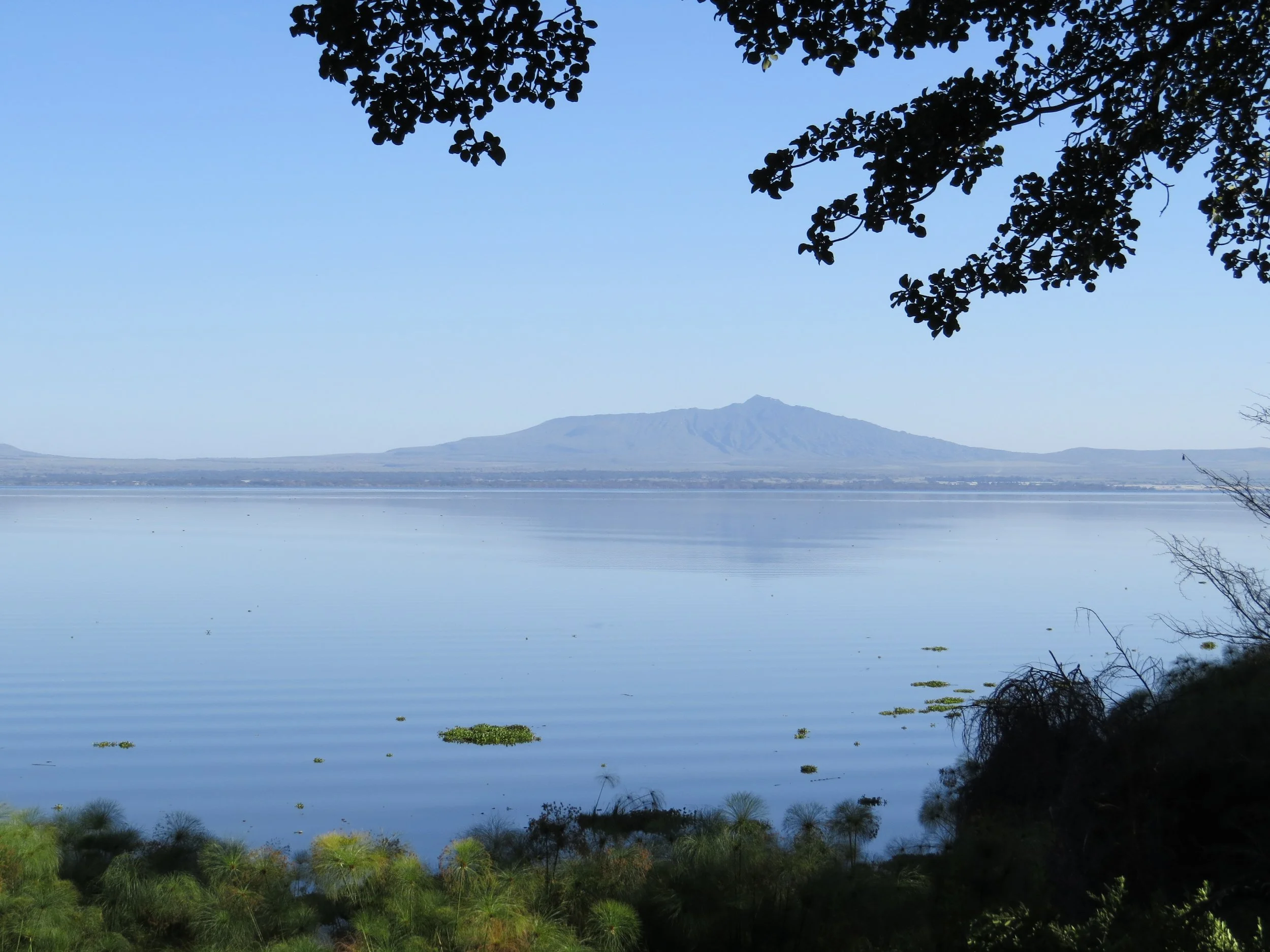
The lake sits in the floor of the Great Rift Valley, flanked to the east by the Aberdare Range, an ancient mountain chain shaped by volcanic forces over ten million years- and to the south by Mount Longonot, a near-perfect stratovolcano that last erupted in the 1860s. From the veranda at Ajabu House, both are visible at once. The Aberdares define the Eastern skyline notably at dawn, with quiet authority; Longonot rises from the valley floor as if placed there deliberately, its crater rim still intact after more than 150 years, reflected here in the image.

The Maasai named this place well. Naivasha comes from the Maa word meaning 'sparkling lake', and on a clear morning, when the water catches the early light and the fish eagles are calling from the fever trees, you understand exactly why. It is one of the few freshwater lakes in the Great Rift Valley, and that freshwater draws extraordinary life to its shores.

View of Mt Longonot, across the lake from Ajabu House

On the water

Getting onto the lake changes your understanding of the place. What looks serene from the shore is, close up, constantly alive.

African fish eagles call from the trees before you have even pushed off ,that sound, once heard, defines the lake. Pelicans move across the surface in unhurried formations. Cormorants perch on papyrus stems with wings spread to dry. Hippos surface in the shallows without warning: a ripple, a pair of eyes, then the long slow breath of something enormous and entirely at home. Local fishermen work between them in wooden boats, pulling tilapia nets set before dawn, unconcerned by the presence of either the hippos or the visitors watching them.

Ajabu House has kayaks to get you onto the water and into the channels at your own pace. The delta where the Gilgil and Malewa rivers meet the lake is particularly rewarding, papyrus beds sheltering reed warblers and kingfishers, quiet areas that you can drift through. Local boat trips deeper into the delta take you further still, into a world that feels entirely separate from the farm above.

Eburru - the volcano behind the house

Behind Loldia Farm, visible from the upper paths of the property, is Mount Eburru, a volcanic complex with seven craters rising to just over 2,800 metres. It is closer than it looks and far less visited than it deserves to be.

The forests on its slopes are extraordinary. Black-and-white colobus monkeys move through the canopy with the unhurried ease of animals that have never needed to hurry. The birding is exceptional. There are trails for walking and cycling, and the views from the higher ground over the Rift Valley are unlike anything most visitors to Kenya will have seen elsewhere. The mountain's geothermal steam jets are still active, on a guided walk, you can cook breakfast on them.

Further Afield

Lake Naivasha sits at the centre of one of Kenya's richest clusters of natural attractions, all reachable as day trips from Ajabu House.

Hell's Gate National Park, roughly 50 minutes by road, is unlike anywhere else in the country. You can cycle through it among zebra, giraffe, and buffalo (something impossible in almost every other Kenyan national park). The gorge walk takes you into a narrow volcanic canyon carved by centuries of water and geothermal activity, past Fischer's Tower and steam vents still hissing from the valley floor. It is dramatic, accessible, and consistently surprising.

Crater Lake, a small alkaline lake inside a collapsed volcanic caldera, is about 40 minutes from the house. The forested trail around its shores passes through colobus territory and offers birdlife rarely seen elsewhere in the region. It is one of the most beautiful short walks in Kenya.

Soysambu Conservancy, around an hour's drive, offers guided game walks on a private ranch. Lake Nakuru National Park, about an hour and a half away, is known for its flamingos in the shallows, its white rhino, and the scale of an alkaline lake that turns the shoreline pink when the birds gather in numbers. At the moment Nakuru water levels are very high so salinity is low, and birdlife reduced.

Getting here

The drive from Nairobi takes roughly 90 minutes on a clear day, following the escarpment road with Longonot visible for most of the journey. For those who prefer to fly, Safarilink operates scheduled flights from Wilson Airport in Nairobi directly to the airstrip at Loldia Farm  20-25 minutes in the air, and just eight minutes by road from Ajabu House.

When to come

Lake Naivasha rewards a visit in every season. The long rains from March to May bring green hills and a quieter lake. July to September and December to February offer the clearest skies and the best conditions for cycling and walking. Migratory birds are present from November to April, adding to birdlife that is exceptional throughout the year.

Ajabu House sits on the western shore of Lake Naivasha on Loldia Farm. It sleeps up to 16 and puts all of this on your doorstep.