Lake Naivasha surprises people. They arrive expecting a stopover on the way somewhere else and leave wishing they had booked three more nights.
The lake sits in the floor of the Great Rift Valley, flanked to the east by the Aberdare Range, an ancient mountain chain shaped by volcanic forces over ten million years- and to the south by Mount Longonot, a near-perfect stratovolcano that last erupted in the 1860s. From the veranda at Ajabu House, both are visible at once. The Aberdares define the Eastern skyline notably at dawn, with quiet authority; Longonot rises from the valley floor as if placed there deliberately, its crater rim still intact after more than 150 years, reflected here in the image.
The Maasai named this place well. Naivasha comes from the Maa word meaning 'sparkling lake', and on a clear morning, when the water catches the early light and the fish eagles are calling from the fever trees, you understand exactly why. It is one of the few freshwater lakes in the Great Rift Valley, and that freshwater draws extraordinary life to its shores.
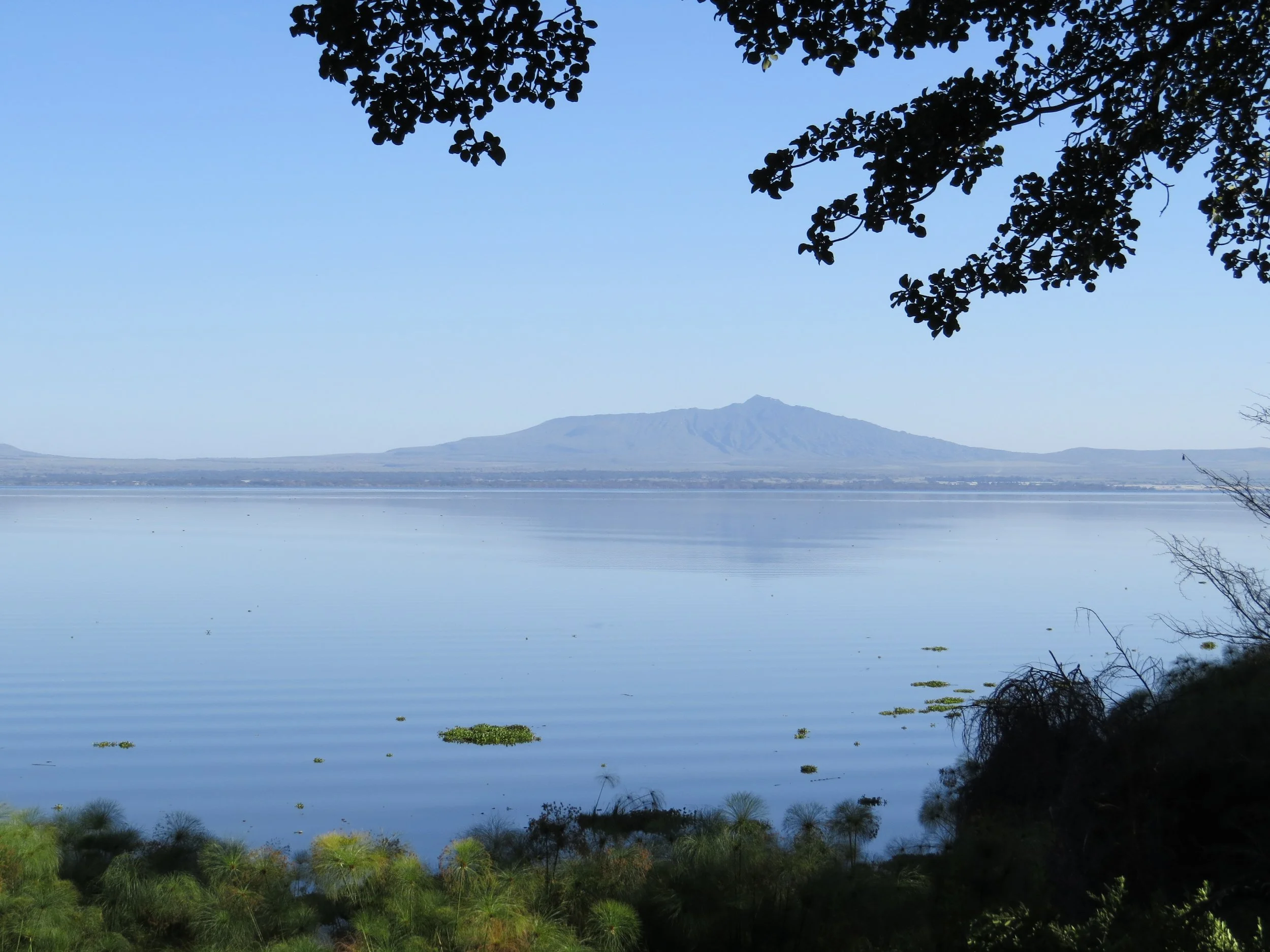
View of Mt Longonot, across the lake from Ajabu House
On the water
Getting onto the lake changes your understanding of the place. What looks serene from the shore is, close up, constantly alive.
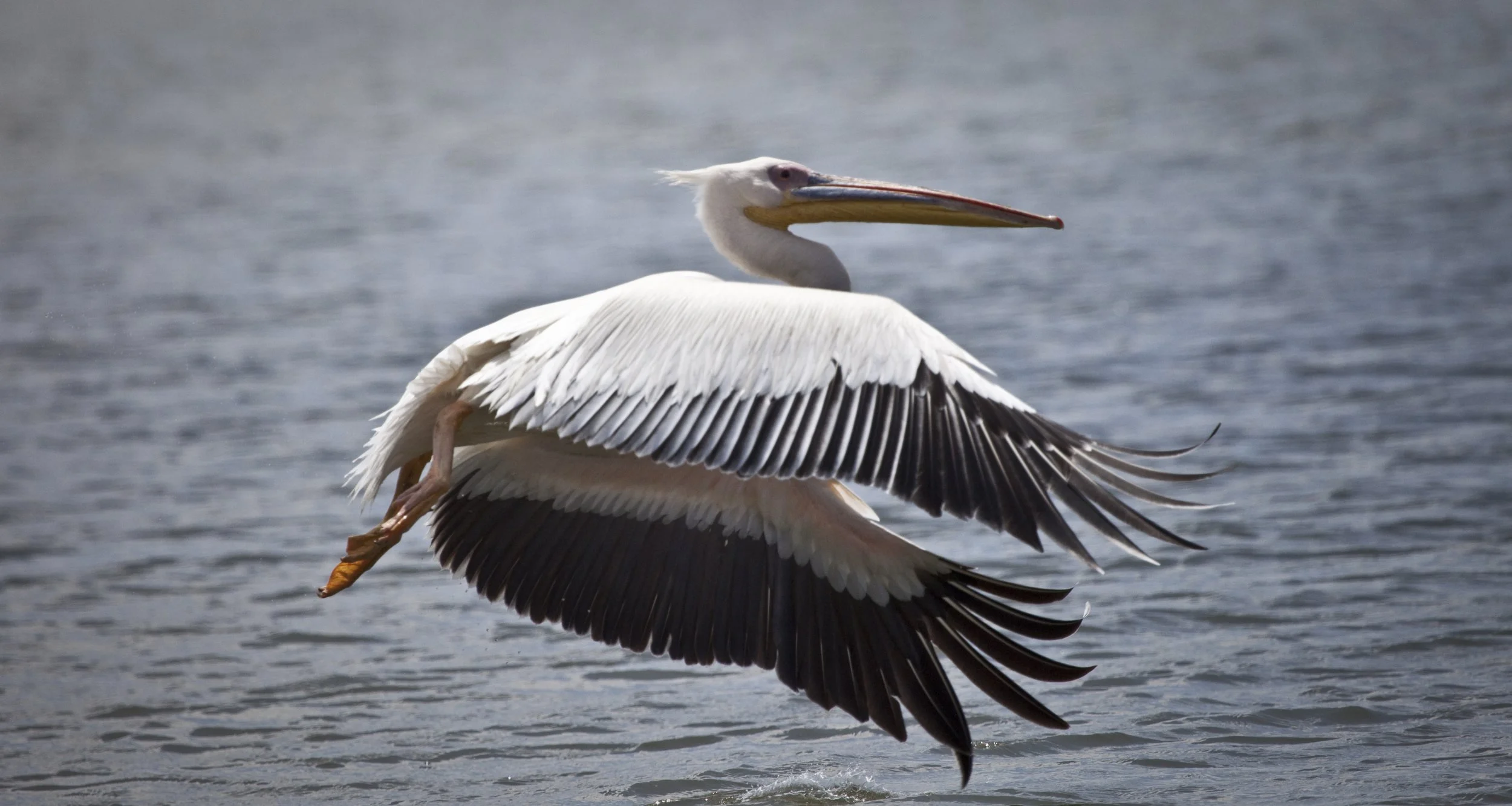
African fish eagles call from the trees before you have even pushed off ,that sound, once heard, defines the lake. Pelicans move across the surface in unhurried formations. Cormorants perch on papyrus stems with wings spread to dry. Hippos surface in the shallows without warning: a ripple, a pair of eyes, then the long slow breath of something enormous and entirely at home. Local fishermen work between them in wooden boats, pulling tilapia nets set before dawn, unconcerned by the presence of either the hippos or the visitors watching them.
Ajabu House has kayaks to get you onto the water and into the channels at your own pace. The delta where the Gilgil and Malewa rivers meet the lake is particularly rewarding, papyrus beds sheltering reed warblers and kingfishers, quiet areas that you can drift through. Local boat trips deeper into the delta take you further still, into a world that feels entirely separate from the farm above.
Eburru - the volcano behind the house
Behind Loldia Farm, visible from the upper paths of the property, is Mount Eburru, a volcanic complex with seven craters rising to just over 2,800 metres. It is closer than it looks and far less visited than it deserves to be.
The forests on its slopes are extraordinary. Black-and-white colobus monkeys move through the canopy with the unhurried ease of animals that have never needed to hurry. The birding is exceptional. There are trails for walking and cycling, and the views from the higher ground over the Rift Valley are unlike anything most visitors to Kenya will have seen elsewhere. The mountain's geothermal steam jets are still active, on a guided walk, you can cook breakfast on them.
Further Afield
Lake Naivasha sits at the centre of one of Kenya's richest clusters of natural attractions, all reachable as day trips from Ajabu House.
Hell's Gate National Park, roughly 50 minutes by road, is unlike anywhere else in the country. You can cycle through it among zebra, giraffe, and buffalo (something impossible in almost every other Kenyan national park). The gorge walk takes you into a narrow volcanic canyon carved by centuries of water and geothermal activity, past Fischer's Tower and steam vents still hissing from the valley floor. It is dramatic, accessible, and consistently surprising.
Crater Lake, a small alkaline lake inside a collapsed volcanic caldera, is about 40 minutes from the house. The forested trail around its shores passes through colobus territory and offers birdlife rarely seen elsewhere in the region. It is one of the most beautiful short walks in Kenya.
Soysambu Conservancy, around an hour's drive, offers guided game walks on a private ranch. Lake Nakuru National Park, about an hour and a half away, is known for its flamingos in the shallows, its white rhino, and the scale of an alkaline lake that turns the shoreline pink when the birds gather in numbers. At the moment Nakuru water levels are very high so salinity is low, and birdlife reduced.
Getting here
The drive from Nairobi takes roughly 90 minutes on a clear day, following the escarpment road with Longonot visible for most of the journey. For those who prefer to fly, Safarilink operates scheduled flights from Wilson Airport in Nairobi directly to the airstrip at Loldia Farm 20-25 minutes in the air, and just eight minutes by road from Ajabu House.
When to come
Lake Naivasha rewards a visit in every season. The long rains from March to May bring green hills and a quieter lake. July to September and December to February offer the clearest skies and the best conditions for cycling and walking. Migratory birds are present from November to April, adding to birdlife that is exceptional throughout the year.